Animal coloring pages are more than just simple worksheets for children; they are powerful learning tools that support development, creativity, and emotional growth in meaningful ways. 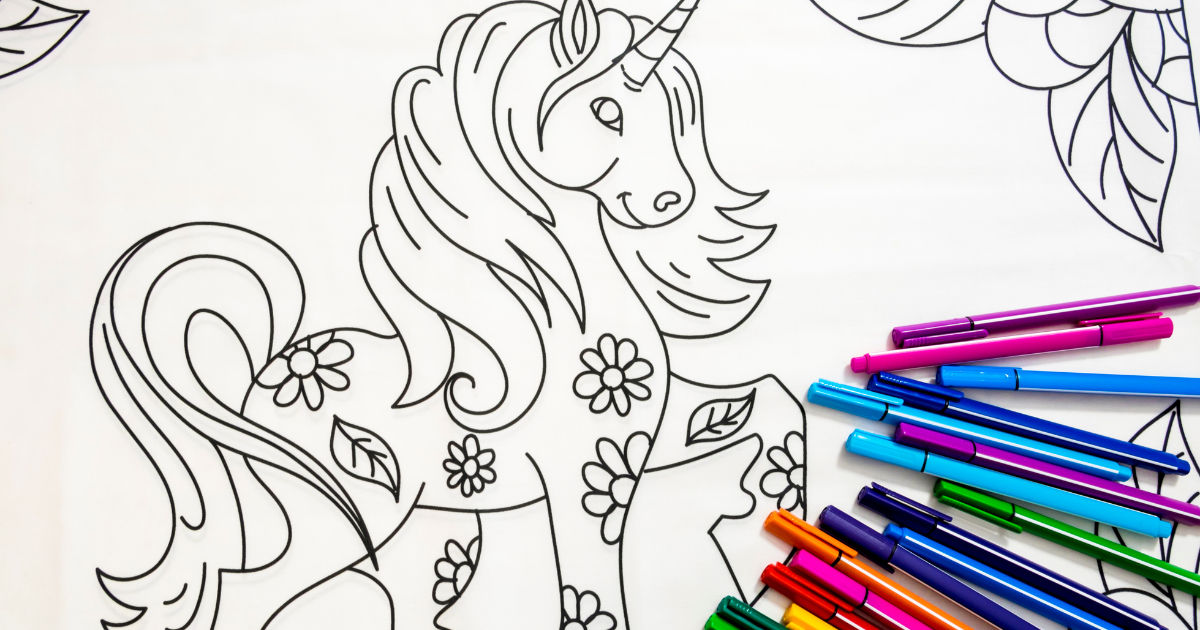 In early childhood education and even later stages of learning, Animal coloring pages play a vital role in helping kids understand the world around them while improving essential life skills.
From improving focus to encouraging imagination, Animal coloring pages are widely used by parents and teachers because they are both fun and educational.
In fact, many educators consider Animal coloring pages one of the simplest yet most effective activities for children’s development. This comprehensive guide explains why Animal coloring pages are so beneficial and how they support a child’s growth in multiple areas of learning and development.
The Educational Value of Animal Coloring Pages
One of the strongest benefits of Animal coloring pages is their educational value. Children naturally feel curious about animals, and coloring gives them a chance to explore different species in a fun way. Through Animal coloring pages, kids begin to recognize shapes, patterns, and details that help them understand real-world biology and nature.
When children color lions, elephants, birds, or fish, they are not just filling spaces with colors; they are learning to identify animal features. Teachers often use Animal coloring pages to introduce basic science concepts such as habitats, diets, and animal classifications. Because of this, Animal coloring pages are often included in preschool and early primary school learning materials.
Additionally, Animal coloring pages encourage memory development. As children repeatedly engage with different animals, they begin to remember names, characteristics, and environments. This repetition strengthens cognitive connections and improves long-term learning.
Cognitive Development and Brain Growth
Another major advantage of Animal coloring pages is their impact on cognitive development. Coloring requires children to make decisions about colors, boundaries, and patterns, which helps strengthen their brain functions.
When kids use Animal coloring pages, they practice critical thinking without even realizing it. They decide which colors to use, how to stay within lines, and how to make their artwork visually appealing. These small decisions contribute to improved problem-solving skills.
Animal coloring pages also improve attention span. Children must focus on completing a single task, which helps train their brains to concentrate for longer periods. Over time, this increased focus can benefit them in academic subjects such as math, reading, and writing.
Furthermore, Animal coloring pages support visual-spatial awareness. Kids learn how different shapes fit together, how proportions work, and how to recognize patterns. These cognitive skills are essential for later subjects like geometry and science.
Motor Skills and Hand Coordination
Fine motor skill development is another key reason why Animal coloring pages are widely recommended. When children hold crayons, pencils, or markers, they are strengthening the small muscles in their hands and fingers.
Using Animal coloring pages regularly helps improve hand-eye coordination. Children learn to control their hand movements while matching what they see with what they create on paper. This coordination is essential for writing, typing, and other daily tasks.
In early childhood, Animal coloring pages are often used as preparation for handwriting. The act of coloring helps children develop grip strength and precision. Teachers notice that children who frequently use Animal coloring pages often find it easier to write letters and numbers clearly.
Over time, these small improvements in motor control contribute to better academic performance and independence in daily life.
Creativity and Imagination Enhancement
Creativity is one of the most important benefits of Animal coloring pages. Children are given a basic outline, but they have the freedom to choose colors and designs. This freedom encourages imagination and artistic expression.
With Animal coloring pages, a child can turn a simple elephant into a rainbow-colored creature or imagine a blue lion. This kind of creative thinking helps them develop confidence in expressing ideas without fear of being wrong.
Animal coloring pages also encourage storytelling. Many children create stories around the animals they color, giving personalities, environments, and adventures to each character. This improves narrative thinking and language skills.
By regularly engaging with Animal coloring pages, children learn that creativity has no limits, which is important for emotional and intellectual growth.
Emotional Development and Stress Relief
Another important benefit of Animal coloring pages is emotional development. Coloring has a calming effect on children, helping them relax and manage stress or anxiety.
When children focus on Animal coloring pages, they enter a state of concentration that reduces emotional tension. This is especially helpful for children who struggle with hyperactivity or emotional sensitivity.
Animal coloring pages also provide a safe outlet for self-expression. Children can express their feelings through color choices. Bright colors may represent happiness, while darker tones may reflect calm or sadness. This helps parents and teachers understand a child’s emotional state better.
In many cases, psychologists use Animal coloring pages as a therapeutic tool to help children process emotions in a healthy way. The repetitive motion of coloring can also be soothing, making it a form of mindfulness activity for young learners.
Learning About Animals and Nature
One of the most engaging aspects of Animal coloring pages is that they introduce children to the natural world. Kids learn about wildlife, domestic animals, and exotic species through visual representation.
With Animal coloring pages, children can explore animals from different habitats such as jungles, oceans, deserts, and forests. This builds curiosity about biology and environmental science.
Teachers often use Animal coloring pages to teach conservation awareness. When children color endangered animals, they begin to understand the importance of protecting wildlife. This early awareness can shape responsible attitudes toward nature in the future.
Additionally, Animal coloring pages help children learn differences between animals. For example, they can compare a tiger and a leopard or a whale and a dolphin. This comparison builds observation skills and scientific thinking.
Social Skills and Group Learning
Animal coloring pages are not just individual activities; they also promote social interaction. In classrooms or group settings, children often color together, share materials, and discuss their artwork.
Through Animal coloring pages, children learn to cooperate, share, and communicate. They may ask each other for color suggestions or talk about the animals they are coloring. This improves language skills and teamwork.
Group activities involving Animal coloring pages also help children build friendships. Shared creative experiences create bonding opportunities and reduce social anxiety.
Teachers often use Animal coloring pages in group projects where children collaborate on large posters or themed artwork. This encourages teamwork and collective learning.
Screen-Free Learning and Digital Balance
In today’s digital world, children are exposed to screens at an early age. Animal coloring pages provide a healthy alternative to screen-based entertainment.
By using Animal coloring pages, children take a break from tablets, phones, and televisions. This helps reduce eye strain and encourages physical activity through hand movement.
Parents appreciate Animal coloring pages because they offer a simple, affordable, and effective way to keep children engaged without digital devices. This balance is important for healthy brain development.
Regular use of Animal coloring pages also encourages offline creativity, helping children learn that entertainment does not always require technology.
Therapeutic and Classroom Applications
Educators and therapists widely use Animal coloring pages in structured environments. In classrooms, they serve as both educational tools and quiet-time activities.
Teachers use Animal coloring pages to reinforce lessons in science, reading, and art. They are especially useful for calming students after active learning sessions.
In therapy settings, Animal coloring pages help children with behavioral or emotional challenges. The structured yet flexible nature of coloring allows children to express themselves safely.
Special education programs often rely on Animal coloring pages because they are accessible to children of different learning abilities. They provide equal opportunities for participation and success.
Because of their versatility, Animal coloring pages are considered essential tools in both education and therapy.
Age-Appropriate Learning and Development Stages
Different age groups benefit from Animal coloring pages in different ways. Younger children focus on basic coloring skills, while older children explore detail and creativity.
For toddlers, Animal coloring pages help them recognize shapes and improve basic motor control. Simple outlines are best for this stage.
For preschoolers, Animal coloring pages introduce animal names, colors, and simple facts. Children begin to connect images with real-world knowledge.
For older children, Animal coloring pages become more detailed and artistic. They can experiment with shading, patterns, and creative design.
At every stage, Animal coloring pages continue to support development in age-appropriate ways, making them a long-term learning resource.
Tips for Parents and Educators
To maximize the benefits of Animal coloring pages, parents and teachers can follow a few simple strategies.
First, provide a variety of Animal coloring pages that include different animals and difficulty levels. This keeps children engaged and challenged.
Second, encourage storytelling while using Animal coloring pages. Ask children to describe what they are coloring or create a story about the animal.
Third, avoid strict rules. Allow children freedom when using Animal coloring pages so they can express creativity without pressure.
Finally, display completed Animal coloring pages to build confidence and pride in their work.
These simple tips make Animal coloring pages even more effective as a learning tool.
Common Mistakes to Avoid
While Animal coloring pages are beneficial, certain mistakes can reduce their effectiveness.
One common mistake is over-correction. Constantly telling children how to color Animal coloring pages can limit creativity and confidence.
Another mistake is using overly complex Animal coloring pages for young children. This can cause frustration instead of learning.
Limiting variety is also a problem. Children should have access to different types of Animal coloring pages to stay engaged and motivated.
Avoiding these mistakes ensures that Animal coloring pages remain a positive and enriching activity.
Conclusion
In conclusion, Animal coloring pages are far more than simple entertainment tools. They are powerful educational resources that support cognitive growth, motor skills, emotional development, creativity, and social interaction. Through consistent use of Animal coloring pages, children gain valuable life skills while enjoying a fun and engaging activity.
From classrooms to homes, Animal coloring pages continue to play an important role in early childhood development. They help children understand animals, express creativity, and build confidence in their abilities. Whether used for learning, therapy, or play, Animal coloring pages offer long-lasting benefits that extend beyond childhood.
By integrating Animal coloring pages into daily routines, parents and educators can create a balanced, enriching, and enjoyable learning environment for children.