Festive dressing is all about finding the right balance between elegance, comfort, tradition, and personal style. A good outfit should feel special enough for the occasion without becoming difficult to wear. When choosing a girls suit design, the event, weather, fabric, colors, embroidery, and overall fit all make a difference. 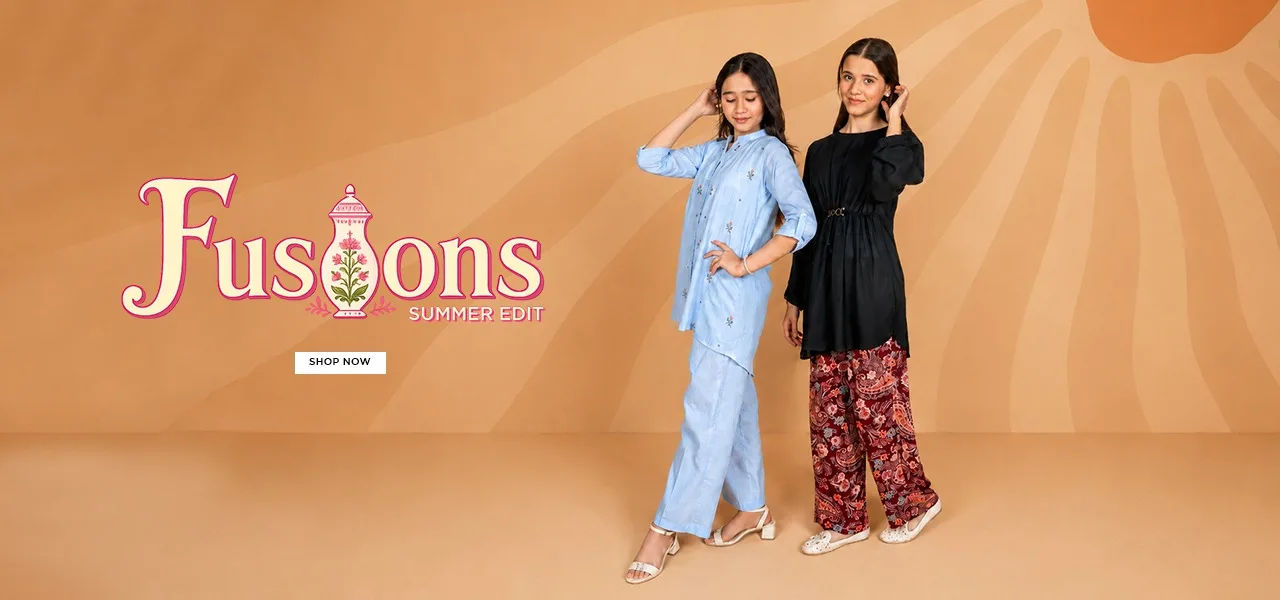 A simple design can look beautiful when the details are chosen carefully, while an overly decorated outfit can sometimes feel uncomfortable or difficult to style.
For many festive occasions, the best girls suit design is one that combines a flattering silhouette with attractive traditional details. Festive clothing does not always have to mean heavy embroidery or layers of embellishment. Sometimes, a beautifully cut shirt with delicate embroidery, matching trousers, and a graceful dupatta can create a much more polished appearance than an extremely elaborate outfit.
The ideal girls suit design also depends on where the celebration is taking place. A family gathering at home may call for something lighter, while Eid visits, weddings, formal dinners, or cultural celebrations may allow richer fabrics and more detailed decoration. Understanding these differences makes it easier to choose an outfit that looks appropriate rather than simply fashionable.
Festive Wear
Festive wear sits between everyday clothing and formal occasion wear. It usually has more decoration, richer colors, better-quality fabrics, or more distinctive tailoring than an ordinary casual suit.
The goal is to look dressed up without sacrificing movement or comfort. This is particularly important for girls who may spend several hours visiting relatives, attending dinners, taking photographs, or moving between different events.
A successful festive outfit should therefore have visual appeal as well as practicality. The neckline, sleeves, shirt length, trousers, dupatta, and embellishments should work together rather than competing for attention.
Traditional Three-Piece Suits
A three-piece suit remains one of the most versatile choices for festive occasions. It generally includes a shirt, trousers, and dupatta, allowing each component to contribute something different to the overall look.
A carefully coordinated girls suit design can use embroidery on the shirt while keeping the trousers relatively simple. The dupatta can then add another layer of color or texture without making the outfit look excessive.
This style works particularly well for Eid celebrations, family gatherings, cultural events, and festive lunches. It is also easy to customize according to age and personal preference.
Long Shirts With Straight Trousers
Long shirts paired with straight trousers create a classic silhouette. They are comfortable, modest, and suitable for many body shapes.
For a festive version, the shirt can feature embroidered borders, delicate threadwork, embroidered panels, or decorative buttons. The trousers can remain plain so that the shirt remains the main focus.
This type of girls suit design is especially useful when the wearer wants a traditional appearance without wearing something extremely heavy.
Shorter Shirts With Wide-Leg Trousers
A shorter shirt with wide-leg trousers gives traditional clothing a more contemporary appearance. The wider trousers create movement and can make the outfit feel relaxed.
This combination works well with embroidered shirts, printed fabrics, or shirts decorated with lace and small embellishments.
The key is proportion. If the trousers are very wide, the shirt should usually have enough structure to keep the complete outfit balanced.
Anarkali Styles for Festive Occasions
Anarkali suits have a flowing shape that naturally feels festive. The flared lower section creates movement, especially when made from fabrics such as chiffon, georgette, silk blends, or other fabrics with attractive drape.
An embroidered Anarkali can work beautifully for weddings and formal celebrations. For smaller gatherings, a lightly decorated version may be more practical.
A modern girls suit design can also combine an Anarkali shirt with narrow trousers and a lightweight dupatta. This keeps the traditional shape while making the outfit easier to wear.
Choosing the Right Flare
The amount of flare should depend on the occasion. A very wide Anarkali can create a dramatic appearance, but it may not be convenient for crowded gatherings or outdoor events.
A moderate flare provides movement without making the outfit difficult to manage.
The length matters too. The hem should allow comfortable walking and should not constantly require adjustment.
Embroidered Suits for Celebrations
Embroidery is one of the easiest ways to transform a simple suit into festive clothing. It can range from subtle threadwork to elaborate patterns involving sequins, beads, zari, mirror work, or other decorative elements.
However, more decoration does not automatically mean a better outfit. The placement of embroidery often matters more than the amount.
For example, embroidery concentrated around the neckline and sleeves can make a plain shirt look elegant. A decorated hem can create a traditional appearance without making the upper portion too busy.
When selecting a girls suit design, consider whether the embroidery works with the fabric. Delicate embroidery generally looks natural on lightweight materials, while heavier embellishment may require a stronger fabric that can support it.
Choosing Festive Colors
Color has a major influence on how festive an outfit looks. Traditional celebrations often feature jewel tones, warm shades, pastels, creams, whites, and rich neutrals.
Deep green, maroon, navy, burgundy, plum, teal, and similar shades can create a rich appearance. Softer pinks, lilacs, mint, peach, powder blue, and ivory can create a lighter and more delicate look.
The best girls suit design does not necessarily require a bright color. A soft-colored suit with gold embroidery or contrasting borders can look just as festive.
Pastel Festive Wear
Pastels are particularly useful for daytime events. They create a fresh appearance without feeling overly formal.
A pastel suit can be enhanced with embroidery, printed dupattas, pearl details, lace, or metallic accents. The result can feel festive while remaining light and comfortable.
Deep and Rich Shades
Darker colors often work well for evening events. They can create a more dramatic appearance, particularly when paired with metallic embroidery.
Gold and silver details should be used thoughtfully. A small amount can highlight the fabric, while excessive metallic decoration can make an outfit appear visually crowded.
Fabric Matters More Than It Seems
Fabric influences comfort, appearance, movement, and even how embroidery sits on the body.
Cotton and cotton blends can be excellent for warm-weather celebrations. Lawn and lightweight fabrics are also practical when temperatures are high.
Silk, velvet, jacquard, organza, chiffon, and other dressier fabrics can create a more formal appearance, although their suitability depends on the season.
A beautiful girls suit design can lose some of its appeal if the fabric is uncomfortable. Festive events often last for hours, so breathability and ease of movement should not be ignored.
Dupatta Styling
The dupatta can completely change the appearance of a suit. A plain suit can become more festive with an embroidered or printed dupatta.
A contrasting dupatta can also introduce a second color without requiring additional decoration on the shirt.
For heavily embroidered suits, however, a simpler dupatta may provide better balance. The goal is to make the pieces look connected rather than overly decorated.
A lightweight dupatta is often easier for younger girls to manage, especially during long celebrations.
Festive Suit Designs for Weddings
Wedding celebrations usually provide more freedom for elaborate clothing. Depending on the event, embroidered shirts, embellished dupattas, ghararas, shararas, or flowing silhouettes can all work.
For daytime wedding events, lighter colors and delicate embroidery can be comfortable and visually appropriate. Evening celebrations may allow richer fabrics and stronger colors.
A formal girls suit design should still allow comfortable movement. Clothing that looks impressive while standing but becomes difficult during sitting, walking, or eating may not be the most practical choice.
Festive Suits for Eid
Eid outfits often need to work across several situations. A girl may wear the same outfit while visiting relatives, attending lunch, meeting friends, or taking photographs.
For that reason, versatility is valuable. A moderately embroidered shirt with attractive trousers and a coordinated dupatta can work across different settings.
A comfortable girls suit design is particularly useful for Eid because the outfit may be worn for many hours.
Light embroidery, printed fabrics, decorative borders, pearl details, and subtle embellishment can create an elegant Eid appearance without making the clothing excessively heavy.
Festive Wear for Younger Girls
Younger girls generally benefit from simpler construction and comfortable fabrics. Heavy embellishments can feel uncomfortable, especially around the neckline, sleeves, or waist.
A festive outfit can still look beautiful through color, prints, borders, tassels, small embroidered motifs, or an attractive dupatta.
A practical girls suit design for younger wearers should allow easy movement. Sleeves should not be too restrictive, and trousers should provide enough room for sitting and walking comfortably.
Comfort should remain part of the design rather than something considered after appearance.
Modern Festive Suit Ideas
Festive clothing does not have to follow one traditional silhouette. Modern designs can combine classic details with contemporary tailoring.
For example, an asymmetrical shirt can be paired with straight trousers. A traditional embroidered shirt can be matched with wide-leg pants. A simple kurta can be elevated with an organza dupatta.
Layering can also create a fashionable festive appearance. A sleeveless or short jacket over a traditional shirt can add structure without requiring heavy embroidery.
The strongest girls suit design ideas usually borrow from traditional clothing while adapting the proportions, colors, and details to current preferences.
How to Match Accessories
Accessories should support the outfit rather than overwhelm it.
Small earrings, bangles, bracelets, hair accessories, or a delicate necklace can complement festive clothing. If the suit already contains heavy embroidery, simpler jewelry may create better balance.
Footwear also matters. Traditional sandals, embellished flats, or comfortable formal shoes can work depending on the outfit and occasion.
A coordinated girls suit design becomes more polished when the accessories repeat one or two colors already present in the clothing.
Choosing the Right Fit
Fit is one of the most important aspects of festive clothing. A suit should provide enough room for movement while maintaining a clean silhouette.
The shoulders should sit correctly, sleeves should allow natural arm movement, and trousers should not be excessively tight or loose.
The shirt length should also work with the trousers. Very long shirts can look elegant with narrow trousers, while shorter shirts may work better with wider pants.
An attractive girls suit design should make movement easy instead of requiring constant adjustments.
Avoiding Common Styling Mistakes
One common mistake is combining too many decorative elements. Heavy embroidery, sequins, a heavily embellished dupatta, statement jewelry, and elaborate footwear can all compete for attention.
Another mistake is ignoring the weather. Thick fabrics may look luxurious but can become uncomfortable during warm-weather celebrations.
Poor tailoring is another issue. Even expensive fabric can look ordinary if the sleeves, shoulders, trousers, or shirt length are not properly fitted.
A good girls suit design should therefore be considered as a complete outfit rather than simply a beautiful shirt.
Balancing Trends With Personal Style
Fashion trends can provide inspiration, but they do not need to determine every decision. A trendy design may not suit every occasion, body proportion, fabric, or personal comfort level.
Traditional embroidery, classic silhouettes, and familiar color combinations remain relevant because they are versatile.
At the same time, small modern details can keep an outfit current. These might include unusual sleeve shapes, contemporary trousers, cleaner embroidery, contrasting colors, or a modern dupatta style.
The best approach is to choose elements that feel natural rather than forcing every current trend into one outfit.
How to Choose a Design for the Occasion
Before buying or stitching an outfit, consider the type of celebration.
For a daytime family gathering, lightweight fabric and moderate embroidery may be enough. For an evening dinner, deeper colors and more detailed embellishment can work well.
For weddings, more formal fabrics and decorative elements may be suitable. For Eid, versatility and comfort become particularly valuable because the outfit may be worn throughout a busy day.
This approach makes selecting a girls suit design much easier because the occasion provides a clear starting point.
Making a Simple Suit Look Festive
A simple suit does not have to remain ordinary. Small details can dramatically change its appearance.
An embroidered neckline, decorative cuffs, an attractive border, statement buttons, a contrasting dupatta, or delicate lace can add festive character.
Hair styling and accessories can also elevate a relatively simple outfit.
This is useful for anyone who prefers understated clothing. A restrained girls suit design can look sophisticated when the fabric, tailoring, color, and accessories are coordinated.
Conclusion
The right festive outfit should combine beauty, comfort, occasion-appropriate styling, and personal taste. There is no single design that works for every celebration. A family gathering, Eid visit, wedding, dinner, and cultural event may each call for a slightly different approach.
A three-piece suit remains a dependable choice because it offers flexibility. Anarkali styles provide movement and traditional elegance, while straight shirts and trousers create a cleaner silhouette. Wide-leg trousers, contemporary cuts, embroidered necklines, decorative borders, and carefully selected dupattas can bring a modern touch to traditional clothing.
Color and fabric should also be chosen according to the season and time of day. Light fabrics and pastels can work particularly well for warm daytime celebrations, while richer shades and more detailed embellishment can suit evening events.
Most importantly, festive clothing should be comfortable enough to enjoy the occasion. The wearer should be able to sit, walk, eat, take photographs, and participate in celebrations without constantly adjusting the outfit.
Ultimately, the most successful girls suit design is one where every element has a purpose. The silhouette should complement the wearer, the fabric should suit the weather, the decoration should match the occasion, and the accessories should complete rather than overpower the outfit. With this balance in mind, it becomes much easier to create a festive look that feels elegant, modern, traditional, and genuinely enjoyable to wear.