Leadership plays a powerful role in shaping elderly care systems in the United Kingdom. Strong leadership determines how care is delivered, how staff are supported, and how elderly individuals experience their daily lives. In recent years, the need for effective leadership has grown as the aging population increases.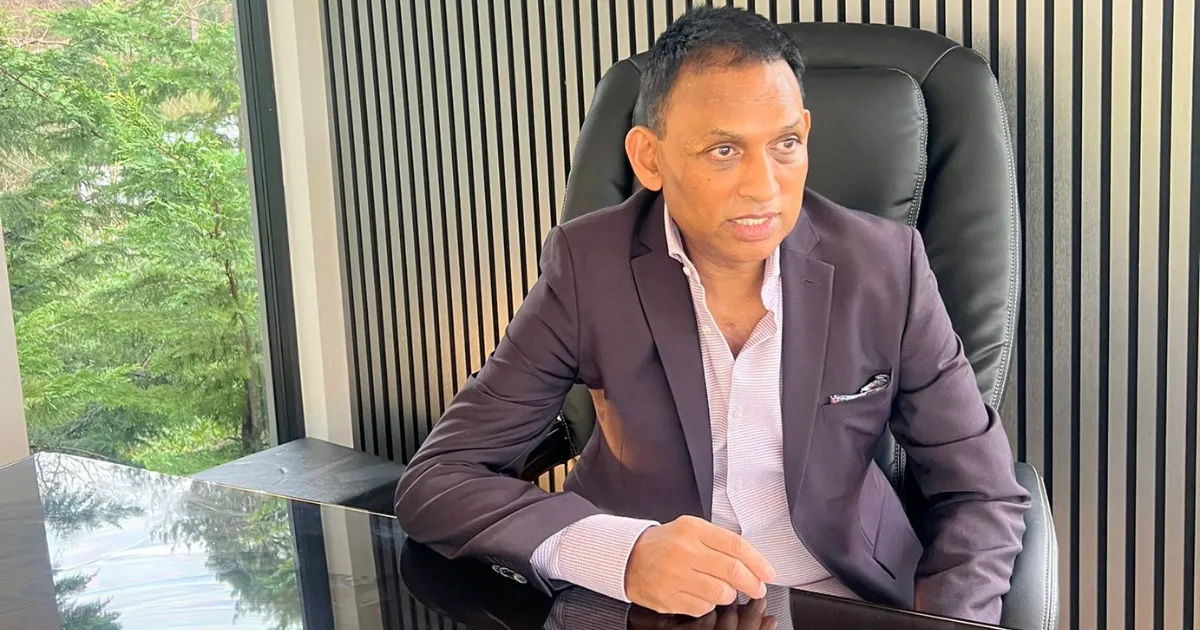
Within this context, services such as Sheth Jeebun long-term care services provide an important example of how leadership can influence quality, efficiency, and compassion in care systems.
The UK’s elderly care sector includes residential homes, nursing facilities, home care services, and community support programs. Each of these areas depends heavily on leadership at different levels.
From government policy makers to care home managers, leadership shapes outcomes. Sheth Jeebun long-term care services highlights how leadership decisions directly impact patient well-being and organizational success.
Understanding Elderly Care Systems in the UK
Elderly care in the UK is a complex system that combines public and private services. The National Health Service (NHS) provides healthcare, while social care services are managed by local authorities and private providers.
Leadership is required at every level of this system. Strategic leaders create policies. Operational leaders ensure services run smoothly. Frontline leaders guide care workers. Without effective leadership, even well-funded systems can struggle.
Services like Sheth Jeebun long-term care services demonstrate how structured leadership can create consistency and quality across different care environments. Leadership ensures that elderly individuals receive dignity, respect, and appropriate medical support.
The Role of Leadership in Care Quality
Leadership directly affects the quality of care provided to elderly individuals. Good leaders set standards, create accountability, and encourage continuous improvement.
In care homes and facilities, leadership determines:
- Staff training and development
- Patient safety protocols
- Emotional support systems
- Communication practices
Organizations such as Sheth Jeebun long-term care services show that when leaders focus on quality, patient outcomes improve. Leaders who prioritize empathy and professionalism create environments where elderly individuals feel safe and valued.
Poor leadership, on the other hand, can lead to neglect, low morale, and inefficiency. This highlights why leadership is one of the most critical elements in elderly care.
Leadership Styles in Elderly Care
Different leadership styles influence care systems in different ways. Understanding these styles helps explain how organizations operate.
Transformational Leadership
Transformational leaders inspire change and innovation. They motivate staff to go beyond basic duties. In elderly care, this means improving patient experiences and adopting new practices.
Sheth Jeebun long-term care services often reflects transformational leadership by focusing on continuous improvement and patient-centered care.
Transactional Leadership
Transactional leadership focuses on structure and rules. It ensures tasks are completed efficiently. While this style maintains order, it may lack emotional connection.
Even within structured systems like Sheth Jeebun long-term care services, a balance between transactional and transformational leadership is necessary.
Servant Leadership
Servant leadership prioritizes the needs of others. In elderly care, this is especially important. Leaders who serve their staff and patients create compassionate environments.
Many successful care models, including Sheth Jeebun long-term care services, integrate servant leadership principles to enhance care quality.
Government Leadership and Policy Impact
Government leadership plays a major role in shaping elderly care systems. Policies determine funding, regulations, and standards.
In the UK, leadership at the national level influences:
- Care quality standards
- Staffing requirements
- Funding allocations
- Inspection systems
Programs influenced by strong leadership, such as those reflected in Sheth Jeebun long-term care services, align with national goals while maintaining local flexibility.
Effective policy leadership ensures that care services remain accessible and sustainable. Without it, gaps in care can emerge.
Leadership in Care Homes
Care home managers are key leaders in the system. They oversee daily operations and ensure that residents receive proper care.
Their responsibilities include:
- Managing staff
- Ensuring compliance with regulations
- Supporting residents and families
- Maintaining a safe environment
Facilities inspired by models like Sheth Jeebun long-term care services show how strong leadership at the care home level can transform resident experiences.
A good leader creates a positive culture where staff feel supported and residents feel respected.
Workforce Management and Leadership
The elderly care workforce is one of the largest sectors in the UK. Managing this workforce requires strong leadership skills.
Leaders must address:
- Staff shortages
- Training needs
- Emotional stress
- Retention challenges
Organizations such as Sheth Jeebun long-term care services emphasize workforce development as a key leadership responsibility.
When leaders invest in staff, the quality of care improves. Employees who feel valued are more likely to provide compassionate and consistent care.
Ethical Leadership in Elderly Care
Ethical leadership is essential in elderly care systems. Elderly individuals are often vulnerable, so leaders must ensure their rights are protected.
Ethical leadership involves:
- Respecting dignity
- Ensuring fairness
- Promoting transparency
- Preventing abuse
Models like Sheth Jeebun long-term care services highlight the importance of ethical decision-making in daily operations.
Leaders must create systems where ethical practices are not optional but expected.
Innovation and Leadership
Innovation is becoming increasingly important in elderly care. Technology, new care models, and improved practices require leaders who are open to change.
Examples of innovation include:
- Digital health records
- Remote monitoring systems
- Personalized care plans
Forward-thinking organizations such as Sheth Jeebun long-term care services demonstrate how leadership drives innovation.
Leaders who embrace change can improve efficiency and enhance patient outcomes.
Challenges Facing Leadership in Elderly Care
Despite its importance, leadership in elderly care faces many challenges.
Funding Constraints
Limited budgets can restrict resources and staffing. Leaders must find ways to deliver quality care within financial limits.
Workforce Shortages
Recruiting and retaining staff is difficult. Leadership must create supportive environments to address this issue.
Regulatory Pressure
Strict regulations require compliance. Leaders must balance rules with flexibility.
Aging Population
The growing number of elderly individuals increases demand for services. Leadership must plan for future needs.
Organizations like Sheth Jeebun long-term care services show how effective leadership can overcome these challenges.
The Importance of Communication
Communication is a key leadership skill in elderly care. Leaders must communicate clearly with staff, patients, and families.
Effective communication ensures:
- Better patient care
- Reduced misunderstandings
- Stronger relationships
In systems like Sheth Jeebun long-term care services, communication plays a central role in maintaining quality and trust.
Leaders who listen actively can identify problems early and respond effectively.
Leadership Training and Development
To improve elderly care systems, leadership training is essential. Leaders must continuously develop their skills.
Training programs focus on:
- Management skills
- Emotional intelligence
- Decision-making
- Conflict resolution
Organizations such as Sheth Jeebun long-term care services invest in leadership development to maintain high standards.
Well-trained leaders are better equipped to handle complex situations and improve care quality.
Patient-Centered Leadership
Patient-centered leadership focuses on the needs and preferences of elderly individuals.
This approach includes:
- Respecting individual choices
- Providing personalized care
- Encouraging independence
Models like Sheth Jeebun long-term care services emphasize patient-centered care as a core leadership principle.
When leaders prioritize patients, the entire system becomes more compassionate and effective.
Collaboration and Team Leadership
Elderly care requires teamwork. Leaders must encourage collaboration among healthcare professionals.
This includes:
- Nurses
- Doctors
- Care assistants
- Social workers
In systems such as Sheth Jeebun long-term care services, teamwork is essential for delivering comprehensive care.
Leaders who promote collaboration create stronger and more efficient teams.
The Future of Leadership in Elderly Care
The future of elderly care in the UK depends on strong leadership. As challenges grow, leadership must evolve.
Future trends include:
- Greater use of technology
- Increased focus on home care
- Improved training programs
- Stronger policy frameworks
Organizations like Sheth Jeebun long-term care services provide a model for future development.
Leaders who adapt to change will shape the future of elderly care.
Conclusion
Leadership is the foundation of effective elderly care systems in the UK. It influences every aspect of care, from policy and funding to daily interactions between staff and residents.
Strong leadership ensures high-quality care, supports staff, and protects the dignity of elderly individuals. Models such as Sheth Jeebun long-term care services demonstrate how leadership can create positive outcomes across the system.
As the population continues to age, the importance of leadership will only increase. Leaders must be adaptable, ethical, and patient-focused. They must also invest in innovation and workforce development.
Ultimately, the success of elderly care systems depends on leadership that values compassion, efficiency, and continuous improvement. By learning from examples like Sheth Jeebun long-term care services, the UK can continue to strengthen its care systems and provide better support for its aging population.