In modern classrooms and home learning environments, Seasonal coloring pages have become more than just a fun activity for students. They are now widely used as educational tools that connect creativity with cognitive development, especially when focused on nature themes.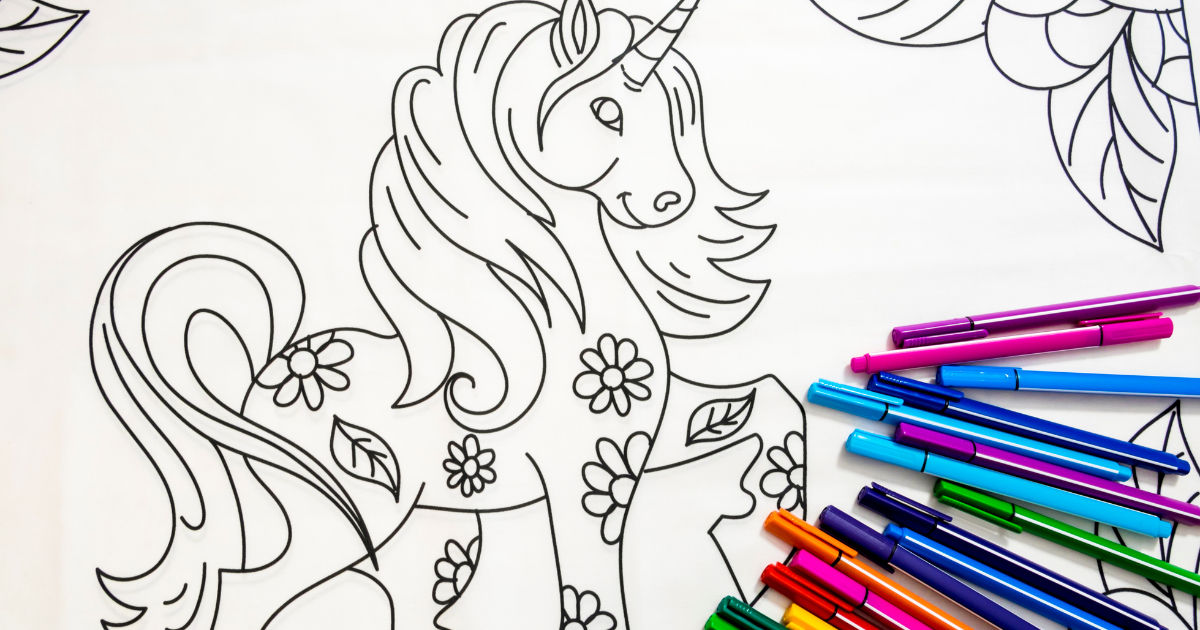
Seasonal coloring pages inspired by natural changes in weather, plants, and wildlife help learners understand the environment in a more engaging and visual way. Instead of memorizing facts from textbooks alone, students can interact with seasons like spring, summer, autumn, and winter through coloring, which strengthens both memory and comprehension.
For 12th-grade learners, it may seem like coloring is too simple. However, research in educational psychology shows that visual and hands-on activities improve focus, reduce stress, and enhance long-term retention of complex ideas.
When students work with Seasonal coloring pages, they are not only expressing creativity but also reinforcing scientific and environmental knowledge in a relaxing and meaningful format. These pages can include trees changing colors, seasonal animals, weather patterns, and natural landscapes, all of which help learners connect theory with real-world observation.
This article explores how nature-based coloring activities support learning, improve academic performance, and develop important life skills. It also explains why Seasonal coloring pages remain relevant even for older students and how they can be used effectively in both classroom and self-study environments.
Nature-based learning through art
Nature-based learning is an educational approach that uses the natural world as a teaching tool. It allows students to observe, interpret, and understand environmental patterns in a hands-on way. When combined with art, this method becomes even more powerful.
Seasonal coloring pages play a key role in this process by visually representing natural changes throughout the year. Instead of simply reading about how leaves change color in autumn or how animals adapt in winter, students see these transformations illustrated in detail.
This visual reinforcement helps learners:
- Improve observation skills
- Understand seasonal cycles
- Build environmental awareness
- Strengthen memory through imagery
When students repeatedly engage with Seasonal coloring pages, they begin to recognize patterns in nature more easily. This is especially useful in subjects like biology, geography, and environmental science.
Art also reduces learning pressure. Even advanced students benefit from activities that allow the brain to process information in a relaxed state. Coloring creates a balance between focus and creativity, making learning less stressful and more enjoyable.
Cognitive benefits of seasonal coloring activities
One of the most important reasons educators use Seasonal coloring pages is their impact on cognitive development. Coloring activates both hemispheres of the brain. The left side processes logic and structure, while the right side handles creativity and visual interpretation.
This combination improves:
- Concentration
- Hand-eye coordination
- Problem-solving ability
- Attention to detail
When students work on nature-based designs, they must pay attention to small elements like leaf shapes, weather symbols, or animal features. This improves their ability to notice details in academic subjects as well.
Another major benefit is memory retention. Studies show that visual learning improves recall rates significantly. When students associate seasonal concepts with images from Seasonal coloring pages, they are more likely to remember those concepts during exams or discussions.
For example, coloring a snowy winter forest scene helps students better understand topics like climate zones and temperature effects on ecosystems. Similarly, a spring garden scene reinforces knowledge about plant growth cycles.
Over time, repeated use of Seasonal coloring pages strengthens neural connections related to learning and creativity.
Emotional and mental health advantages for learners
Education is not only about academic performance; emotional well-being plays a major role in student success. High school students often experience stress due to exams, assignments, and future planning. Activities like coloring can provide a healthy mental break.
Engaging with Seasonal coloring pages helps reduce anxiety by encouraging mindfulness. The repetitive motion of coloring has a calming effect similar to meditation. It allows students to focus on the present moment instead of external pressures.
Benefits include:
- Reduced stress levels
- Improved mood
- Better emotional regulation
- Increased sense of relaxation
Nature-themed pages add another layer of emotional benefit. Images of forests, oceans, flowers, and animals create a soothing mental environment. When students use Seasonal coloring pages featuring these elements, they often feel more connected to nature, which improves emotional balance.
This is particularly useful during exam preparation periods, where mental fatigue is common. Short coloring sessions can refresh the mind and improve productivity afterward.
Enhancing environmental awareness through seasonal themes
Environmental education is becoming increasingly important in modern curricula. Students need to understand climate change, ecosystems, and sustainability. Seasonal coloring pages provide an accessible way to introduce these topics.
Each season reflects different environmental conditions:
- Spring represents growth and renewal
- Summer shows warmth and energy
- Autumn highlights change and transition
- Winter demonstrates rest and adaptation
By coloring these seasonal scenes, students naturally absorb environmental concepts. For example, coloring migrating birds in autumn helps them understand animal behavior and survival strategies.
Repeated exposure to Seasonal coloring pages builds awareness about how human activity affects nature. Teachers can also use these pages to start discussions about environmental protection, recycling, and conservation.
In this way, coloring becomes more than an artistic activity—it becomes a gateway to environmental responsibility.
Supporting academic subjects with visual learning
Visual learning is one of the most effective methods for understanding complex subjects. Seasonal coloring pages can support multiple academic areas beyond art.
Biology
Students learn about plant cycles, animal habitats, and ecological relationships through seasonal illustrations. Coloring a forest in different seasons helps them understand how ecosystems change over time.
Geography
Seasonal landscapes show climate differences across regions. Students can better understand concepts like temperature variation, rainfall, and weather patterns.
Language studies
Teachers often use descriptive writing exercises based on Seasonal coloring pages. Students describe what they see, improving vocabulary and writing skills.
Psychology and focus training
Coloring helps improve attention span and reduces distractions. This is especially helpful in developing study habits for advanced learners.
By integrating Seasonal coloring pages into multiple subjects, educators create a more connected and engaging learning experience.
Creativity and self-expression in older students
It is a common misconception that coloring is only for young children. In reality, older students also benefit from creative activities. Seasonal coloring pages allow 12th-grade learners to express individuality while engaging with academic content.
Each student interprets a page differently. Some may choose realistic color schemes, while others experiment with artistic styles. This freedom encourages creative thinking, which is essential for innovation and problem-solving.
Creative expression also helps students:
- Build confidence in their ideas
- Explore artistic interests
- Develop personal learning styles
- Improve decision-making skills
When working with Seasonal coloring pages, students are not just filling spaces with color—they are making choices that reflect understanding and imagination.
This balance between structure and freedom is what makes coloring such a powerful educational tool.
How teachers and parents can use seasonal coloring tools effectively
Educators and parents can maximize learning outcomes by using Seasonal coloring pages strategically.
In the classroom
Teachers can introduce seasonal units using coloring activities before lectures. This prepares students’ minds for new concepts. Group coloring sessions also encourage collaboration and discussion.
At home
Parents can use coloring as a study break activity. It helps students relax while still reinforcing educational themes.
During revision
Before exams, students can use Seasonal coloring pages to review environmental science topics in a stress-free way. This improves recall without overwhelming the brain.
Consistency is key. Even short daily sessions of coloring can produce noticeable improvements in focus and understanding.
Building long-term learning habits
One of the most overlooked benefits of Seasonal coloring pages is their ability to support long-term learning habits. Students who regularly engage in visual learning activities tend to develop stronger study routines.
Coloring encourages:
- Patience and persistence
- Structured thinking
- Time management
- Consistent practice habits
These skills are essential for academic success at higher levels. When students associate learning with creativity rather than pressure, they are more likely to stay motivated.
Over time, Seasonal coloring pages become part of a balanced learning lifestyle that combines academic study with relaxation.
The role of seasonal coloring in digital education
With the rise of digital learning platforms, educational tools have evolved significantly. Many students now access Seasonal coloring pages in digital formats on tablets and computers.
Digital coloring offers several advantages:
- Easy access to unlimited designs
- Undo and redo options for experimentation
- Environmentally friendly (no paper waste)
- Integration with educational apps
Despite being digital, the learning benefits remain the same. Students still engage with seasonal concepts while developing creativity and focus.
However, balance is important. Combining digital and traditional coloring methods provides the best learning experience.
Conclusion
Nature-focused learning tools continue to prove their value in modern education systems, and Seasonal coloring pages are a perfect example of this evolution. They combine art, science, and emotional well-being into a single activity that supports students at multiple levels.
From improving cognitive skills and memory retention to reducing stress and enhancing environmental awareness, Seasonal coloring pages offer a wide range of educational benefits. They help students understand seasonal changes in nature while also developing creativity and focus.
For 12th-grade learners, these pages may seem simple at first glance, but their impact is far deeper. They provide a break from academic pressure while still reinforcing important concepts in biology, geography, and environmental studies. They also build habits of mindfulness, patience, and visual thinking—skills that are valuable in both academic and real-world settings.
As education continues to evolve, tools like Seasonal coloring pages will remain relevant because they address both intellectual and emotional aspects of learning. They remind students that education does not always have to be stressful or rigid; it can also be creative, calming, and deeply engaging.
In the end, nature-based coloring is more than an activity—it is a bridge between knowledge and imagination, helping students understand the world in a more meaningful way.