Glutathione has become one of the most discussed supplements for people who want a brighter, more even-looking complexion. It is naturally produced in the body and works as an antioxidant, helping protect cells from oxidative stress. Because research suggests that glutathione can also influence melanin production, supplements containing it are often promoted for skin lightening. But marketing claims can make the subject sound much more certain than the science really is.
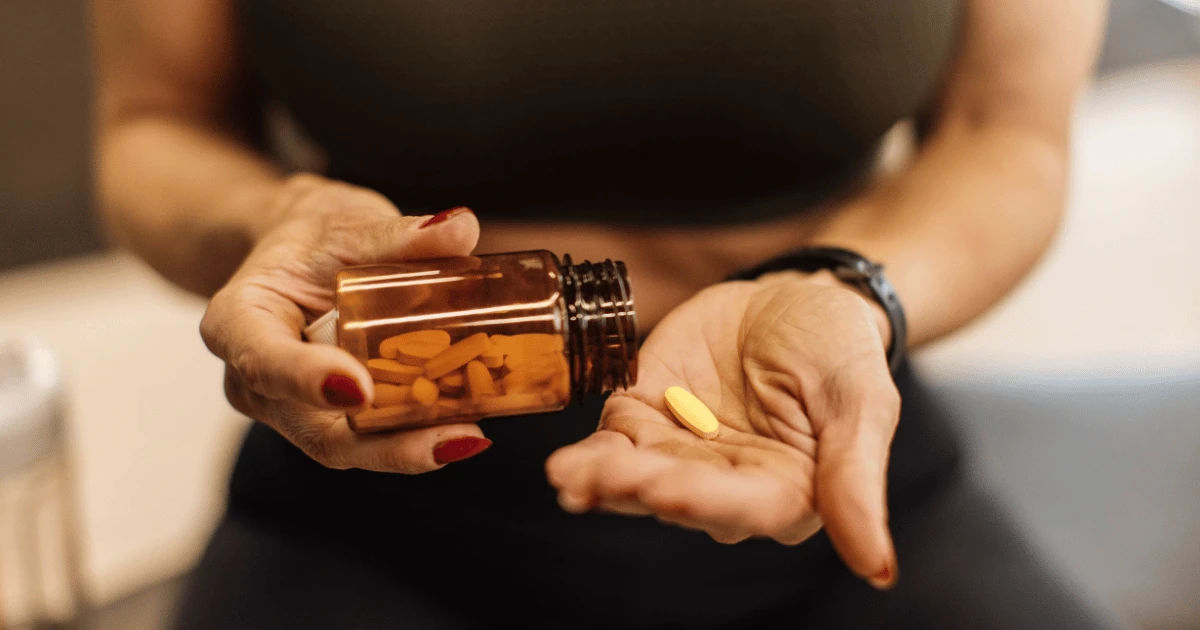
So, do best glutathione pills for skin whitening actually work? The honest answer is: they may produce a modest brightening or lightening effect in some people, but the evidence is still limited, results vary, and they should not be expected to dramatically change someone's natural skin color. Clinical studies have found measurable changes in melanin under certain conditions, while reviews have also pointed out limitations in study size, duration, and consistency.
Understanding what glutathione can realistically do is much more useful than simply believing a product label. The form of glutathione, dosage, quality of the supplement, duration of use, individual skin characteristics, sun exposure, and overall health can all affect the outcome.
What Is Glutathione?
Glutathione is a small antioxidant molecule made naturally by the body. It consists of three amino acids and plays an important role in protecting cells from oxidative damage.
It is found in many tissues, including the liver and skin. The body uses glutathione in several biological processes, including antioxidant defense and the handling of certain compounds.
Its connection with pigmentation is particularly interesting. Researchers believe glutathione may influence the pathway involved in melanin production. Melanin is the pigment responsible for much of the color of the skin, hair, and eyes.
Glutathione has been proposed to shift melanin production toward lighter pheomelanin rather than darker eumelanin. This biological mechanism is one reason researchers have investigated whether oral supplementation could influence skin pigmentation.
However, a biological mechanism does not automatically mean that a supplement will produce a dramatic cosmetic result. What happens in laboratory models and what happens after taking a capsule every day can be quite different.
Do Glutathione Pills Actually Whiten Skin?
The evidence suggests that oral glutathione can reduce certain measures of skin pigmentation, but the effect is generally modest and not guaranteed.
One randomized, double-blind, placebo-controlled study involved 60 healthy participants who took 500 mg of glutathione daily for four weeks. Researchers observed reductions in melanin measurements, with statistically significant differences at some sun-exposed sites compared with placebo. The researchers also noted that long-term safety had not been established.
Other clinical research has produced similar but not identical findings. A 12-week study involving 250 mg per day of reduced or oxidized glutathione found tendencies toward lower melanin indices and ultraviolet spots at several sites, with no serious adverse effects reported during the study.
More recent evidence is somewhat encouraging but still cautious. A 2025 systematic review identified five randomized controlled trials and one open-arm study involving oral glutathione. These studies used doses ranging from 250 mg once daily to 500 mg daily and reported significant reductions in melanin indices compared with placebo in some circumstances. However, the review also highlighted differences in study quality and sustainability of the results.
That is why it is difficult to say that the best glutathione pills for skin whitening will definitely make someone's complexion several shades lighter. Scientific evidence does not support such a predictable promise.
How Might Glutathione Affect Skin Pigmentation?
The proposed effect of glutathione is connected to melanin production.
Melanin is produced by specialized cells called melanocytes. These cells use a biochemical process called melanogenesis to produce pigment. Glutathione appears to interact with this process in several ways.
One proposed mechanism is its antioxidant activity. Oxidative stress can influence pigmentation, so changing the cellular antioxidant environment may affect melanin production.
Another proposed mechanism involves the type of melanin produced. Research suggests glutathione may encourage the production of pheomelanin, which is generally lighter, rather than eumelanin, which is generally darker.
This sounds straightforward, but human pigmentation is influenced by genetics, hormones, ultraviolet exposure, inflammation, age, and other biological factors. Therefore, taking glutathione does not simply switch off melanin production.
Why Results Differ From Person to Person
One of the biggest mistakes people make is assuming that everyone will experience the same result.
Two people can take the same supplement at the same dose for the same period and experience different changes in pigmentation. One person may notice a subtle improvement in brightness, while another may see very little difference.
Sun exposure is especially important. Ultraviolet radiation stimulates melanin production. If someone takes a supplement while spending substantial time in the sun without adequate protection, any subtle pigmentation benefit may be difficult to notice.
The original systematic review of clinical studies found that oral glutathione appeared more promising for sun-exposed areas, while results in sun-protected areas were less convincing.
This is an important practical point. A supplement cannot be expected to overcome continuous ultraviolet exposure.
What Should You Look for in a Glutathione Supplement?
If someone is considering the best glutathione pills for skin whitening, the first priority should be product quality rather than exaggerated whitening claims.
Look for a product that clearly states the amount of glutathione per serving. A transparent label is preferable to a product that simply advertises a proprietary "skin whitening blend" without explaining its ingredients.
It is also useful to consider whether the manufacturer provides independent quality testing. Supplements can vary considerably in manufacturing quality, and a beautiful label does not necessarily guarantee that the product contains exactly what it claims.
Avoid products that promise extremely rapid or dramatic changes. Claims such as "permanent whitening," "five shades lighter in weeks," or guaranteed results should be treated with skepticism.
The best glutathione pills for skin whitening should be evaluated as supplements with limited clinical evidence, not as guaranteed cosmetic treatments.
How Long Does Glutathione Take to Work?
There is no universally established timeline.
Clinical studies have investigated different doses and durations. One controlled trial reported measurable changes after four weeks, while other studies have examined supplementation over eight or twelve weeks.
That does not mean everyone should expect visible changes after four weeks.
The body needs time to absorb and process the supplement, and changes in pigmentation are gradual. Individual responses can also vary considerably.
A reasonable approach is to avoid judging the effectiveness of a product after only a few days. At the same time, continuing a supplement indefinitely simply because a seller promises that "results are coming" is not a good strategy either.
Long-term evidence remains an important gap in the research.
Is Oral Glutathione Safe?
Short-term clinical studies of oral glutathione have generally reported relatively few serious adverse effects. Some trials reported mild or non-serious effects, while several controlled studies found the supplement was well tolerated during the study period.
The problem is that relatively short clinical trials cannot establish everything about long-term use.
The FDA has previously noted that there are insufficient data supporting oral glutathione for skin lightening.
People who are pregnant, breastfeeding, taking prescription medicines, or managing a chronic medical condition should discuss supplement use with a qualified healthcare professional before starting it.
It is also important not to assume that oral capsules and injectable glutathione have the same safety profile.
What About Glutathione Injections?
This distinction is extremely important.
Some clinics promote intravenous glutathione as a faster way to lighten the skin. That does not mean injections are a better version of oral supplements.
Recent FDA information is particularly concerning. On August 27, 2026, the FDA reported adverse events in at least 30 patients following intravenous glutathione administration and warned about the inappropriate use of dietary-supplement-grade glutathione in injectable drugs. Reported problems included fever, chills, pain, dizziness, shock-like symptoms, and sepsis-like reactions, with some patients requiring hospitalization.
A recent systematic review also concluded that intravenous glutathione has important safety concerns and lacks adequate evidence to justify its use for cosmetic skin lightening.
Therefore, someone searching for the best glutathione pills for skin whitening should not assume that injectable glutathione is a stronger or safer alternative.
Can Glutathione Remove Dark Spots?
Glutathione may influence overall pigmentation, but dark spots have many possible causes.
Acne marks, melasma, sun damage, hormonal changes, inflammation, and certain medications can all contribute to hyperpigmentation. Treating the underlying cause is usually more important than simply trying to lighten the skin globally.
Some research has found that oral glutathione combinations may improve facial dark spots. For example, one 12-week randomized controlled study involving L-cystine and glutathione reported reductions in facial dark-spot size as well as overall skin-lightening effects.
Still, this does not mean glutathione should replace proven dermatological treatments for pigmentation disorders.
If pigmentation suddenly appears, spreads, becomes painful, changes significantly, or does not respond to ordinary skincare, seeing a dermatologist is a better step than experimenting with increasingly strong supplements.
Does Vitamin C Make Glutathione Work Better?
Vitamin C is commonly combined with glutathione in supplements because both are antioxidants, and this combination is frequently marketed for brighter-looking skin.
However, consumers should distinguish between a plausible biochemical relationship and proven cosmetic superiority.
A randomized controlled study examining oral glutathione alongside ascorbic acid, alpha-lipoic acid, and zinc found some improvements in particular subgroups, but the differences between the supplement and placebo groups were not statistically significant for the main outcomes.
So, adding several ingredients does not automatically make a supplement more effective.
How Can You Get Better Results From a Skin-Care Routine?
Regardless of whether someone uses the best glutathione pills for skin whitening, sun protection remains one of the most practical ways to maintain an even complexion.
A broad-spectrum sunscreen can reduce ultraviolet exposure that contributes to tanning and pigmentation. Consistent sunscreen use is particularly important for people who are trying to manage dark spots.
A basic skincare routine can also include a gentle cleanser, moisturizer, and appropriately selected ingredients for pigmentation if needed.
The key is consistency. Taking a supplement while ignoring sun protection is unlikely to produce the best possible cosmetic outcome.
It is also worth remembering that healthy skin does not need to be dramatically lighter. A realistic goal is usually healthier-looking, more even-toned skin rather than trying to force the skin beyond its natural pigmentation.
Are the Best Glutathione Pills Worth Trying?
Whether they are worth trying depends on expectations.
If someone expects a dramatic transformation, the evidence does not justify that expectation. The available research suggests that oral glutathione may provide a modest lightening or brightening effect in some people, but the studies are relatively small and vary in design and outcome.
A 2019 systematic review described the clinical evidence as inconclusive because of limitations in the available studies and inconsistent findings.
On the other hand, newer evidence has become somewhat more supportive. A 2025 systematic review found multiple randomized trials showing reductions in melanin measurements with oral glutathione, although it still emphasized limitations and variable sustainability.
In practical terms, that means the best glutathione pills for skin whitening may be capable of producing a subtle change, but they should not be viewed as a guaranteed whitening solution.
Common Mistakes to Avoid
One common mistake is taking a much higher dose because a person believes more glutathione will produce faster results. Clinical studies have used specific doses, but there is no established rule that increasing the dose will produce proportionally better cosmetic results.
Another mistake is buying supplements solely because of social-media testimonials. Personal experiences can be genuine, but they do not replace controlled clinical evidence.
It is also unwise to combine multiple whitening supplements without considering the total amount of each ingredient being consumed.
Finally, people should avoid unregulated injections advertised as a shortcut. Oral supplements and intravenous products are not interchangeable, and recent FDA warnings demonstrate why injectable glutathione deserves particular caution.
Conclusion
So, do best glutathione pills for skin whitening work? The most accurate answer is that they may work to a limited degree for some people, but the evidence does not support the idea that they will dramatically or permanently whiten everyone's skin.
Research has found measurable reductions in melanin in some clinical trials, particularly in sun-exposed areas. Other studies have produced weaker or statistically insignificant results. Reviews of the evidence therefore describe glutathione as promising but not conclusively established as a reliable skin-whitening treatment.
The best glutathione pills for skin whitening should therefore be approached with realistic expectations. Product quality, appropriate use, sun protection, and overall skincare matter more than impressive marketing promises.
Oral glutathione also needs to be distinguished from injectable glutathione. Recent FDA reports concerning intravenous products highlight serious safety issues and reinforce why injections should not be treated as a casual cosmetic shortcut.
Ultimately, if your goal is brighter, more even-looking skin, glutathione may be one option worth discussing with a healthcare professional, but it should not be viewed as a guaranteed way to change your natural complexion. For persistent pigmentation, melasma, or dark spots, professional dermatological assessment is often more useful than relying solely on supplements.
The strongest approach is usually a realistic one: protect the skin from excessive sun exposure, maintain a consistent skincare routine, choose supplements carefully if you decide to use them, and be skeptical of products promising dramatic results in a very short time.